Quick Answer: What Is the Difference Between Platting and Replatting?
Quick answer
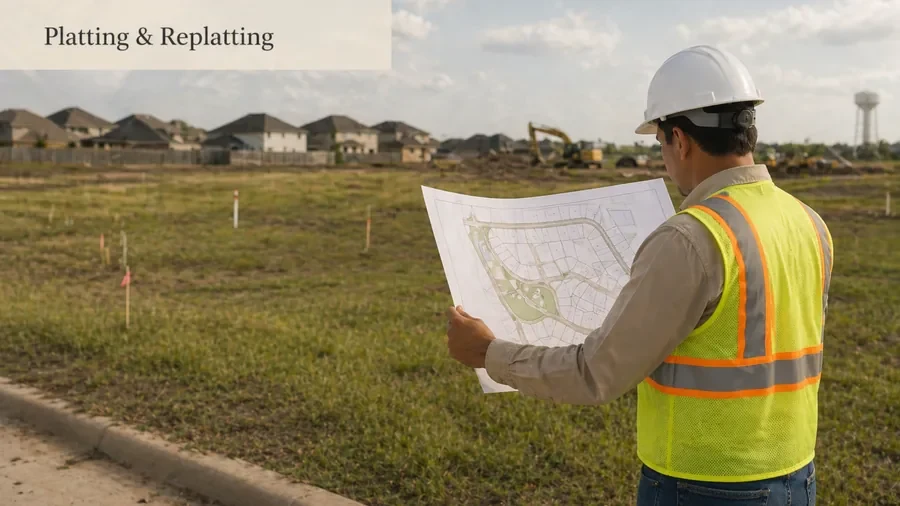
Platting usually refers to creating an official plat for land that needs to be subdivided, mapped, developed, or recorded in a required format. Replatting usually means changing an existing recorded plat, such as adjusting lot lines, combining lots, dividing a previously platted lot, or changing how land is shown on the recorded plat.The exact process depends on the property, existing records, project goal, and applicable Houston planning requirements.
Platting vs Replatting: Simple Comparison
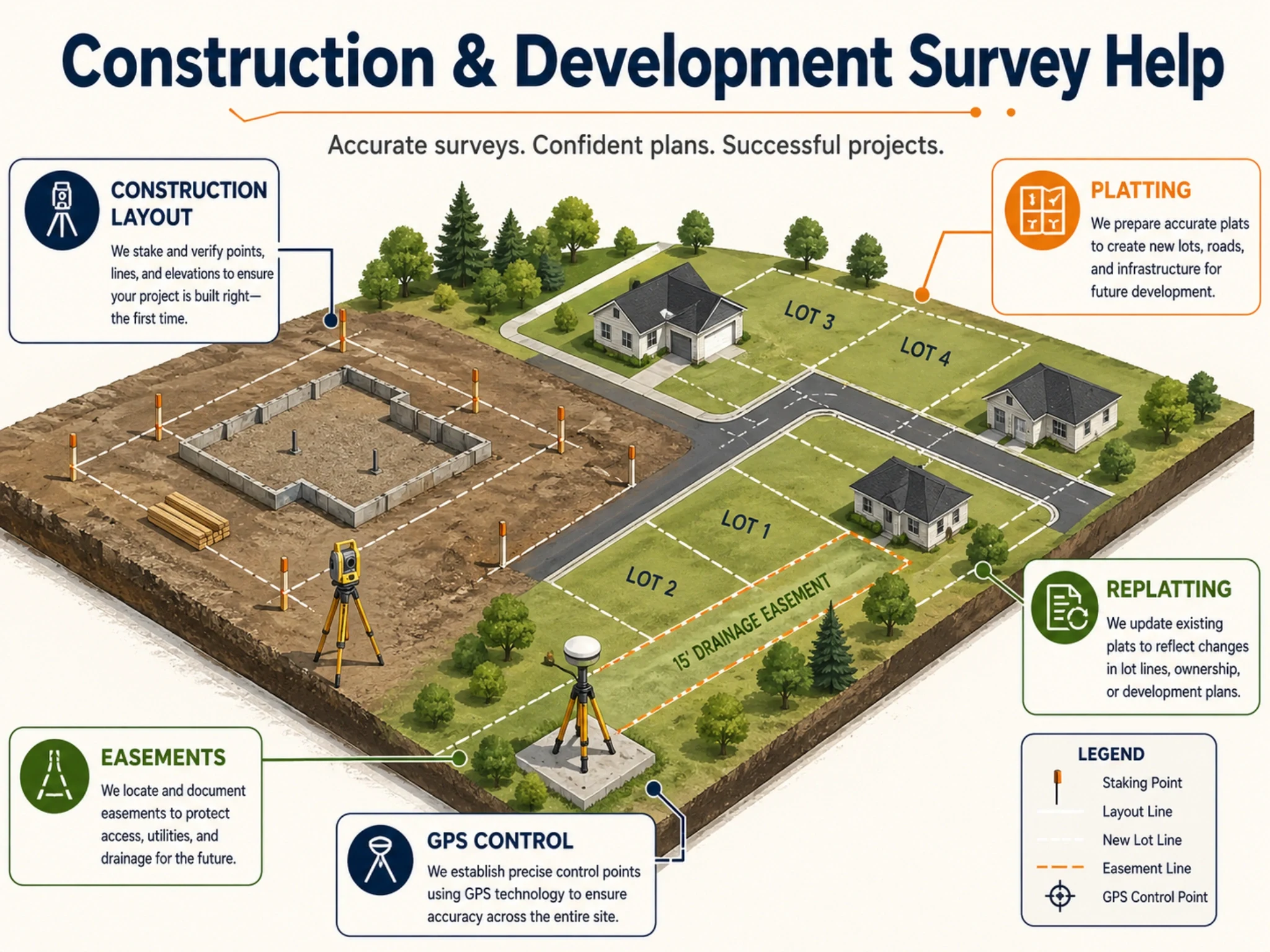
The easiest way to understand the difference is to look at the starting point. Platting is often about creating or establishing how land is divided or developed. Replatting starts with an existing recorded plat and asks whether that existing layout needs to be changed.
Comparison
Platting vs Replatting Table
Summary
Starting Point: Platting may apply when land needs to be platted for development or subdivision. Replatting may apply when a recorded plat already exists and needs changes. Main Purpose: Platting creates or records a subdivision/development layout. Replatting changes, combines, divides, or adjusts an existing platted layout. Common Triggers: Platting may be connected to development, subdivision, reserves, streets, or new lot layouts. Replatting may be connected to lot line changes, combining lots, changing restrictions, or a revised development plan. Helpful Documents: Both may require property records, title/deed information, old plats, surveys, and project plans depending on the situation. Best Next Step: Share the property address and project goal so your request can be reviewed correctly.
When Might Platting Be Needed in Houston?
Platting may be needed when land is being prepared for development, subdivision, or official recording. A property owner, developer, builder, engineer, architect, or consultant may run into platting questions when a property needs to be divided, mapped, or brought into a form that supports a proposed project.Examples may include subdividing land, creating a new lot layout, preparing land for development, adding reserves or access elements, or responding to a planning review request.
Subdividing Land or Creating Lots
A subdivision plat may be part of the process when a property is being divided into lots, reserves, or a development layout. The exact requirements depend on the property and project scope.
Development or Redevelopment Planning
Platting questions can come up when a property is being prepared for new development, commercial work, redevelopment, or a project that requires planning review.
Final or Recorded Plat Needs
A final or recorded plat may be needed for official records or project steps. If you are being asked for a recorded plat, final plat, or plat drawing, confirm the exact request before ordering survey work.
When Might Replatting Be Needed in Houston?
Replatting may be needed when a property already has a recorded plat, but the existing layout no longer matches the owner’s project goal. A replat can involve changing or adjusting lot lines, combining lots, dividing a platted lot, or modifying how land is shown on an existing recorded plat.Because replatting can involve official review and property records, it is important to confirm the existing plat and the purpose of the proposed change before moving forward.
Combining or Adjusting Lots
If two or more platted lots need to be combined or lot lines need to be adjusted, a replat may be part of the process depending on the property and local review requirements.
Changing a Previously Recorded Layout
If an existing plat shows lots, reserves, easements, or layout details that need to change for a new project, replatting may be the right category to ask about.
Preparing for a Building or Development Request
Sometimes a property owner discovers a plat or replat issue during planning, permitting, design, or title review. A survey/platting provider can help review what information may be needed next.
Houston Platting Context: Why Local Review Matters
Houston platting and replatting questions should be handled with local context. The City of Houston’s planning resources explain that professional consultants are often hired by property owners to prepare plat maps, and the Planning FAQ notes that a plat must be signed by a licensed surveyor and/or civil engineer. Houston Chapter 42 also includes subdivision plat, development plat, and replat-related application references.This guide is not legal or permitting advice. It is meant to help you understand the terms and prepare better questions before requesting platting or replatting help.
Platting vs Site Plan vs Boundary Survey
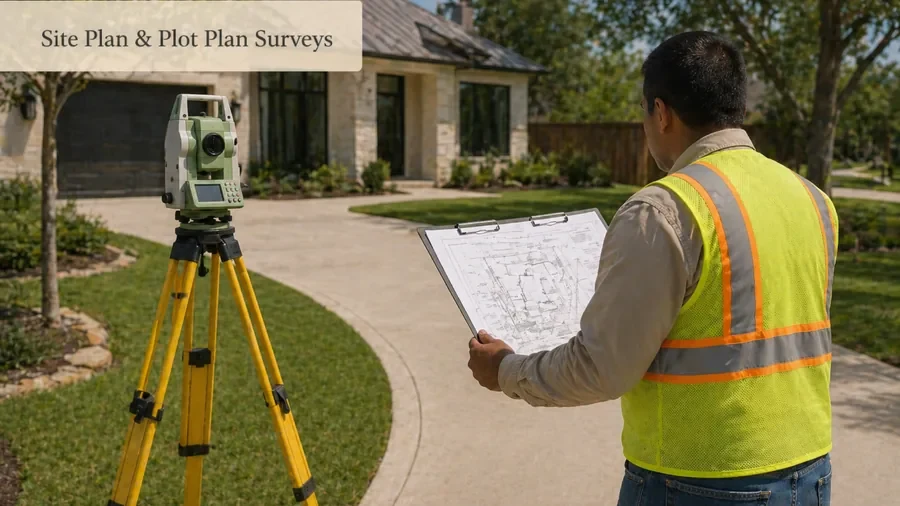
Platting and replatting are often confused with other survey or planning documents. A site plan or plot plan usually shows proposed or existing improvements on a site. A boundary survey focuses on property lines. A topographic survey focuses on elevations and site features. Platting/replatting is more connected to how land is officially divided, configured, or recorded.
Comparison
Which Page Should You Visit Next?
Summary
Need to divide, combine, or reconfigure land? Visit Platting & Replatting Houston TX. Need a drawing for improvements/permit review? Visit Site Plan & Plot Plan Survey Houston TX. Need property lines or corners? Visit Boundary & Property Line Survey Houston TX. Need elevations or contours? Visit Topographic Survey Houston TX. Need deed, easement, or legal description context? Visit Deed Research & Easement Survey Houston TX.
How to request platting or replatting help in Houston
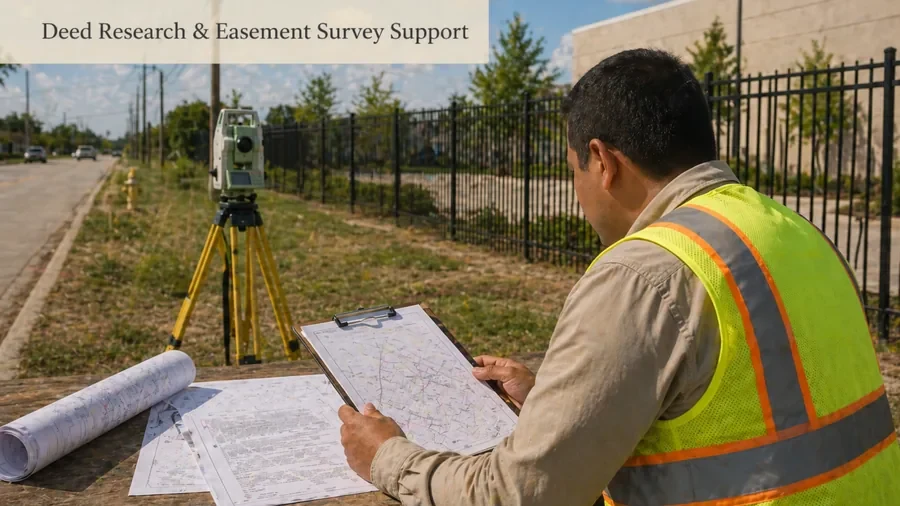
The best first step is to explain what you want to do with the property and provide any existing documents you have. A provider can review the property address, existing records, old plats, deed/title details, and project goal to help determine the next step.
- 1Step
1. Share the Property Address and Goal
Explain whether you want to divide land, combine lots, change lot lines, develop property, or respond to a planning/title/permit request.
- 2Step
2. Upload Existing Records if Available
Helpful documents can include an old survey, recorded plat, deed, title commitment, site plan, development notes, or city/reviewer comments.
- 3Step
3. Review the Likely Path
The provider can review whether your details sounds like platting, replatting, site plan support, boundary work, deed/easement research, or another related service.
- 4Step
4. Get Request and Next-Step Guidance
If platting or replatting support is the right fit, the next step may include record review, survey/plat preparation, coordination, and other project-specific work.
What Affects Platting or Replatting Cost?
Cost can vary because platting and replatting work depends on the property, records, project goal, complexity, required documents, review path, and professional coordination needed. Factors may include whether a plat already exists, the number of lots, title/deed research, easements, site conditions, urgency, and deliverable requirements.Avoid relying on generic online prices. A Houston-specific quote is more useful once the property and project goal are clear.
Related Houston survey pages